Years of working with preschoolers have strengthened my belief in the importance of reading, listening, questioning and expression. Children remind us that learning begins with curiosity. Books can nurture that curiosity and create spaces where children feel free to imagine, wonder and ask questions.
Children remind us that learning often begins with curiosity. They want to know why things happen, how something works and what might happen next. Their questions may seem simple, but they often reveal a genuine desire to understand the world around them.
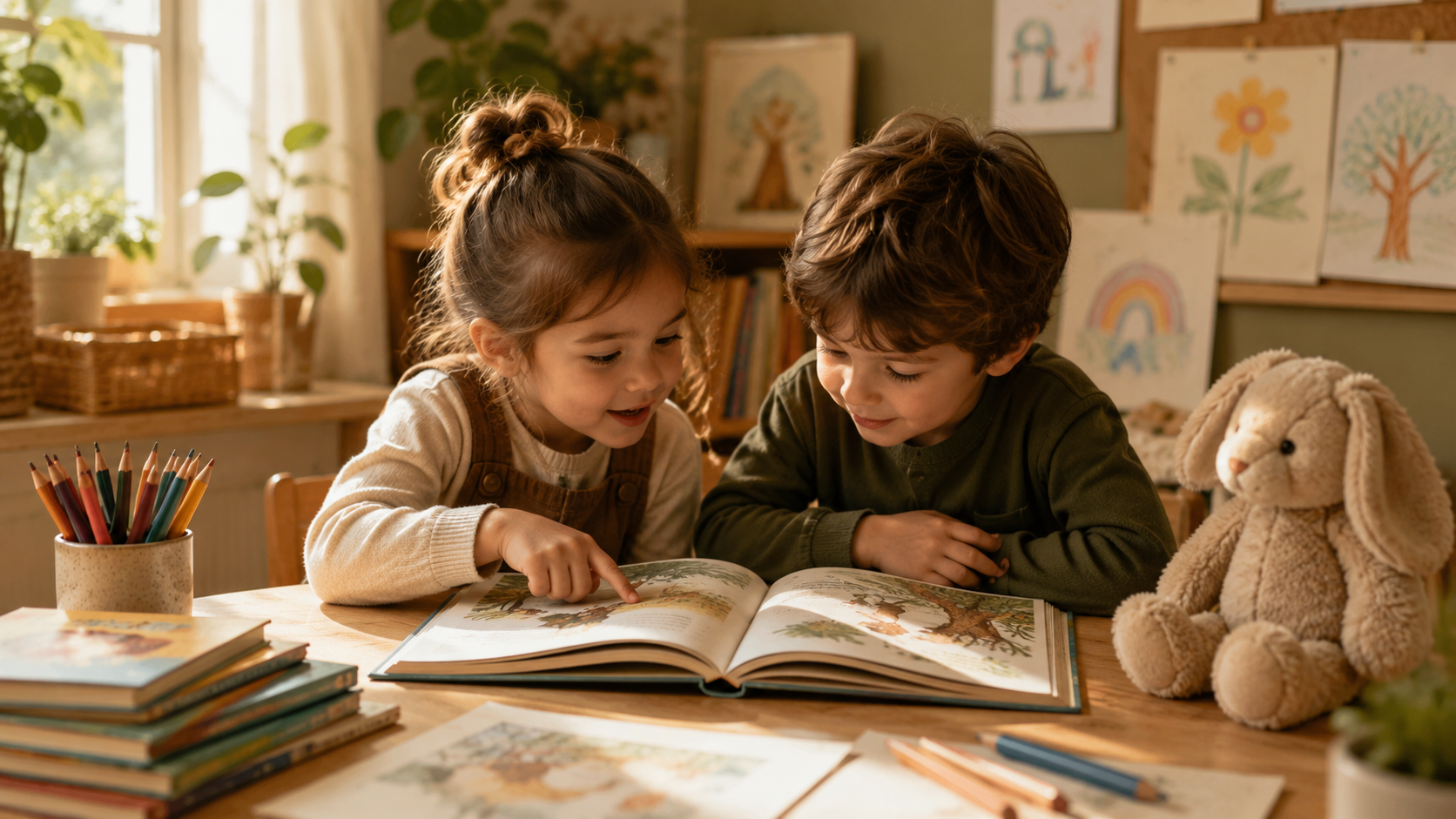
Reading can play an important role in nurturing this curiosity. A story introduces children to new places, people, ideas and situations. It gives them something to think about and encourages them to connect what they read with what they already know and experience.
Books also create opportunities for imagination. When children listen to or read a story, they begin to picture the characters, places and events in their own minds. This freedom to imagine allows them to become active participants in the story rather than simply receiving information.
Listening is equally important in this process. When children listen to stories, they learn to follow ideas, understand emotions and pay attention to the experiences of others. Listening also teaches patience and helps children develop the ability to engage with thoughts that may be different from their own.
Questioning naturally follows reading and listening. A child may ask why a character behaved in a certain way, what might happen next or whether the story could have ended differently. These questions show that the child is not merely hearing words but actively thinking about them.
Expression is another important part of learning. Children need spaces where they can share what they think, feel and imagine. They may express themselves through words, drawings, play, movement or conversations. Each of these forms of expression allows them to make sense of their experiences.
Working with preschoolers has also shown me that learning does not always have to happen in a fixed or formal way. Sometimes the most meaningful learning begins with a story, a question, an observation or even an unexpected conversation. When children are given the freedom to explore, they often discover ideas in ways that adults may not have planned.
Books can therefore become more than tools for learning to read. They can become starting points for conversations, creativity and discovery. A single story can lead to questions about friendship, nature, family, emotions or the world beyond a child’s immediate surroundings.
For me, children continue to be a reminder that curiosity should remain at the heart of learning. Reading, listening, questioning and expression are deeply connected, and books can bring all of them together. When children are given the freedom to imagine, wonder and ask questions, learning becomes not only meaningful but also joyful.